All Categories
Featured

Table of Contents
Motorhome Painting Atwood, CA
Chalk paint is common in RVs. She made use of homemade chalk paint successfully prior to when paint furnishings, but it peeled off when she utilized it to paint her Recreational vehicle cabinets.
I don't consider this a paint error because I'm not exactly sure it could have been expected, yet it was an issue dealt with by recreational vehicle proprietor Christina. When repainting her recreational vehicle, she covered the seams in between the cupboards and the timber trim. The very first time Christina's motor home was moved after the closets were repainted, the paint gurgled up as the RV changed throughout transportation.
Rv Exterior Paint Atwood, CA
I wanted light grey when I chose the paint color for my walls, but it looked white in the sunshine! I have a pal that acquired paint called charcoal, but one coat revealed that it was blue, not grey! Avoid this by purchasing an example size of the paint.
Paint an examination area or repaint a poster board and hold it under different illumination in your Motor home. If you eliminate the painter's tape while the paint is still damp, you could inadvertently smudge the paint.
The tape can conveniently appear the paint but won't trigger it to smear. If you see that the paint is developing the tape, make use of a razor blade to score along the side before you draw. When you've gotten a sort of paint that was advertised as requiring just one coat, it can be frustrating to see the old wall surface color showing with.
Custom Rv Paint Atwood, CA
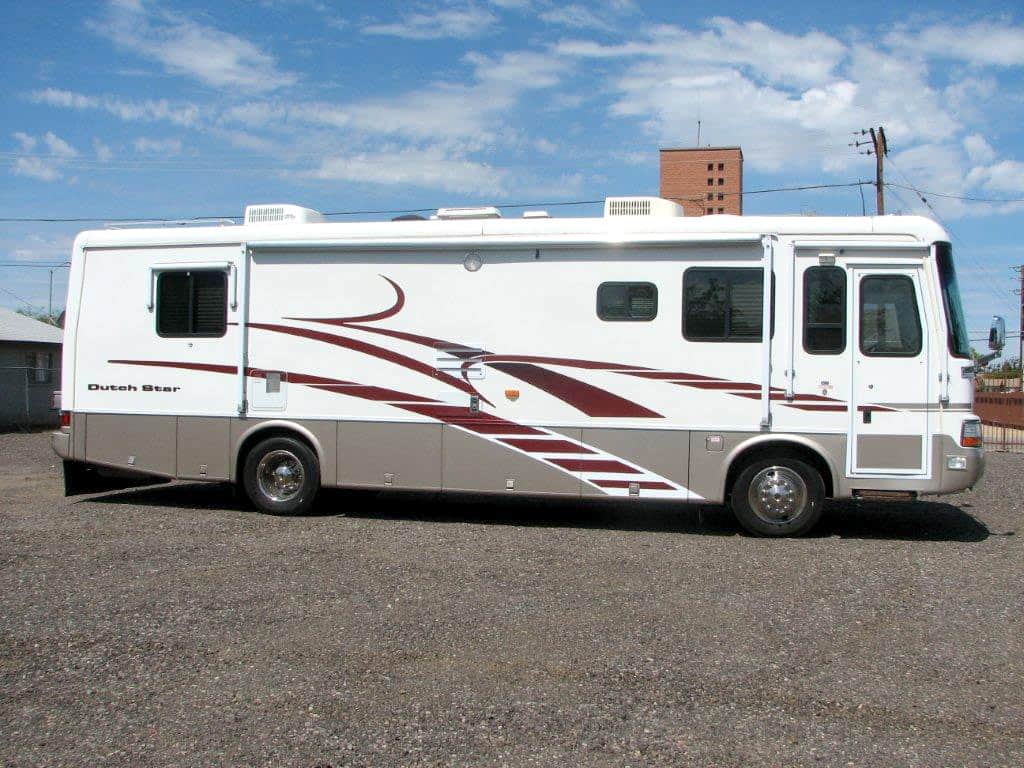
A thick layer of paint or returning over repainted locations prior to they are totally dry, can hinder drying time. This can cause an unequal finish or leave visible brush strokes or marks from the paint roller. Plan on two coats for anything you repaint in your motor home.
, but she still assists out as the blog editor. Ashley invested three years living full time in a 38-foot, 5th-wheel RV with her hubby Josiah and their pet cat, Cat.
Rv Paint Atwood, CA
If you're bound and figured out to reduce out the professionals and make this a do it yourself project, this little overview will certainly set you on the right track. A gear with a fresh coat of outside motor home paint is an attractive thing, particularly if you're accountable for it. Nonetheless, outside paints, particularly in recreational vehicle and aquatic applications, featured a level of clinical elegance.
When you atomize your paint with an HVLP or airless sprayer, it requires to bond to the surface at a molecular level. The results will certainly look wonderful, at least until the very first bump comes along and a whole sheet of paint falls off.
Just how the surface area is opened up depends upon the product. Aluminum and fiberglass are the 2 outsides that dominate the sector. However, it's frequently much less regarding the product of the sidewalls and more regarding the initial paint. After all, a lot of customers getting on the do it yourself paint work bandwagon are boosting an existing visual, not painting the raw fiberglass or aluminum surface area of a RV.
Painting Rv Walls Atwood, CA
If you are painting the raw surface, we've got you covered there. Your substrate will certainly generally be old paint unless you happen to be painting Recreational vehicles as they come off the production line. There are two points you need to understand that are of miraculous relevance in terms of paint longevity, durability, and a great aesthetic: surface area preparation and bonding guide.
Yes, it will double the expenditure of a DIY recreational vehicle paint task, but it will likewise conserve you a lot of money and distress in the close to future. The rest comes down to your topcoat of selection. However, which one is the very best, and what do they all indicate? Polymer is a solid option as an exterior motor home paint, specifically if you're painting the raw surface area of an aluminum recreational vehicle.
Painting An Rv Atwood, CA
Given that polymer is a thin paint, it will usually set you back more for the additional layers. Polymer is normally used as a combination for outside paints, such as acrylic-enamel.Latex is a water-based paint and, for the lengthiest time, oil-based paints have actually constantly been the go-to RV exterior paint of choice, or exterior anything, for that matter.
It dries slowly, yet it also dries out hard, developing a safety shell. Its slow-moving drying out time makes paint mistakes fixable.
Conveniently one of the most flexible coating coats on the listing, one-part polyurethane jobs with wood, fiberglass, steel, light weight aluminum, and plastics. It offers UV defense and minimizes the demand for shaving, thanks to its glossy surface. It additionally enhances aerodynamic performance and is a solid waterproofing choice. Surface preparation for polyurethane is an exquisitely comprehensive and patient process, however.Two-part polyurethane has all the benefits of one-part polyurethane, other than the finish is harder, has a greater gloss appearance, and is a lot more expensive.Epoxy paints are the main outside paints in united state.If you're going with a super-glossy appearance, water-based is the wrong choice. Outside motor home paint is everything about surface area preparation. Without surface preparation, your overcoat may too be made from cotton sweet. Because that has to do with what you'll obtain out of ita extremely vibrant and eye-catching visual, rapidly complied with by destroy, misery, and returning in with your in-laws. With appropriate surface area preparation, the exterior-grade paint you pick will certainly
be just how your recreational vehicle occurs to the globe. There are a whole lot of challenging selections in the above checklist, and RVers will certainly all enjoy to inform you their very own individual choice. Ultimately, it refers getting what you pay for. That's not to state the other selections are wrong, simply much less efficient in terms of longevity . Marine quality may sound like it has nothing to do with RVs, but it does, in the majority of means. Boats and RVs share many common features. Some are light weight aluminum, and some are fiberglass. Both call for UV security, waterproofing, corrosion resistance, versatility, and a favorable aesthetic. While temperature influences the healing procedure of exterior recreational vehicle paint, there's still a home window in which most paint applications are optimal. You're great to go in temperature levels anywhere in between 50F and 85F. Prior to you begin, pay focus to the weather condition, especially if you select an oil-based paint. Since they heal slower, the window for disaster is bigger. That will certainly be extra hard near the Gulf of Mexico, the Pacific Ocean, or the Atlantic Ocean . In those cases, locate an indoor center, head inland, or wait up until the autumn. Avoid windy conditions whenever possible, especially if you're going to use a paint sprayer. This is where all the enjoyable science stuff begins. While bonding primer is commonly taken the supreme necessity for a strong top coat to stick, it's.
Rv Paint Job Atwood, CA

not. It's extremely crucial, however it's not the end-all-be-all of the process. Not just do you need to sand every square inch of surface on your recreational vehicle, but you likewise need to sand your bonding primer. Many bonding primers will offer you with a 7-day home window for optimum overcoat adherence. When you come back, use 220+ grit sandpaper to gently open up the guide and eliminate any kind of blemishes. Do not dig unfathomable with the sandpaper, as you do not want to inadvertently remove the bonding guide. The pathway to producing the ideal exterior motor home paint task begins and ends with a sprayer. The issue is not everyone fits making use of one. Hold that trigger for as well lengthy or get the suggestion too near to the surface area, and things go.
south in a rush. If you favor to make use of a roller, a three-inch, high-density foam roller is the very best option. It generates the best surface without leaving little fibers that originate from wool rollers. This is critical to a successful coating. You should just utilize paint brushes for difficult-to-access locations and stick to the foam kind rather than the bristles. The bristles have a tendency to leave tiny rows behind, which looks poor when it remedies. Whatever you do, don't overdo it. Gravity works versus paint, similar to whatever else. Place the tip approximately 8 to 12 away from the surface and move swiftly with overlapping rows. The female's rate (in the above video clip) is right, but, sometimes, her strategy is not. At the 2:01 -minute mark, her technique is perfect, preserving an equal distance backwards and forwards the painting surface. It may seem unimportant, but it develops entire rows of thin paint that sandwich rows of thick paint in between them. Make certain that there will be no adverse climate events, to the best of your capacity, in the 24 hours following your paint work. For high-gloss or high-sheen finishes, do not wax it. For low-gloss or low-sheen paint jobs, do not hesitate to wax the finished item. The very best means to preserve the aesthetic and general allure of your outside RV paint work is to routinely clean it. You don't need to go all wild and clean it every two or three days. Just develop a regular and maintain it clean. A do it yourself exterior recreational vehicle paint job isn't as luxurious and rejuvenating as it sounds. The bright side is that nothing that looks great ever before originates from little initiative. You can constantly get a professional to do it. There are marine commercial painters and car detailers that would certainly like to do it. Plus, we share top product recommendations so your camper appears looking fresh. For referral, I used of base color to paint roughly. That lines up with the approximated required for complete insurance coverage. This consisted of, with some overlap and common overspray waste. Below is a basic estimate of how much paint you'll need to cover the. To offer both gears a fresh brand-new appearance, this is the external painting technique that we suggest. Painting Fiberglass Motorhome Atwood. Wish to inspect out both restorations? Right here is the 2007 Keystone Hornet and the 2005 Keystone Hornet. Right here is how to paint your RV's exterior. 1 Beginning by offering your recreational vehicle a great laundry to get rid of any type of dirt, dust, or road gunk.
Make certain to wash extensively so no soap or residue is left behind. After that, allow the RV prior to going on to the next stepthis helps your tape stick much better and stops wetness from obtaining trapped under paint. 2 they'll create the paint to peel off and leave behind an uneven coating. Utilize a heat gun to gently warm up the plastic. This softens the adhesive and makes removal less complicated. Start at one corner and gradually pull it off. A 3M decal eliminator device can be a huge helpespecially for old, sun-faded decals that are fragile or stuck on tight. Clean off any kind of sticky deposit with a cloth and Bum around, a glue remover, or perhaps orange necessary oil (which works remarkably well! ). 3 Prior to you repaint, it's a fantastic idea to remove any type of plastic components or trim piecesespecially if your recreational vehicle is older. Over time, parts like can become discolored, brittle, or split from sunlight direct exposure. This is a perfect time to change them with(you can locate plenty at RecPro ). I additionally advise getting rid of the and painting them individually. To eliminate the hatch doors, just unscrew one end of the joint and. Peel any type of old from the framework, and once whatever is repainted and dry, change it with a fresh gasket for a tighter seal and a sleek appearance. 4 Much like when painting the interior of your recreational vehicle or your home, you'll wish to such as home windows, lights, trim, door deals with, vents, and any devices you couldn't get rid of. It allows you apply painter's tape and masking film together, which.
Rv Paint Job Atwood, CA
saves time and assists you obtain clean, straight lines. Use covering up movie to cover bigger areas and secure them from overspray. Painting Fiberglass Motorhome Atwood. Press the edges down firmlyespecially around seams and hardwareto keep paint from slipping underneath. If you're removing components like vent covers or lights, break a quick image prior to taking them off. Usage or a sanding block to. The objective here isn't to get rid of layersjust to plain the shiny finish and give the brand-new paint something to grasp onto. Take your time and work equally across the surface. This step is crucial for aiding (or any kind of vehicle paint) stick effectively and offering you a smooth, long-lasting finish. 6 After sanding, it's important to completely cleanse the surface area before you start paint. with acetone and a to remove any oils, grease, or deposit that might protect against the paint from sticking. with a to grab fining sand dust. to capture any kind of staying fragments for a tidy, paint-ready surface area. Ensure the surface is entirely dry before relocating on to primer. 7 With your surface area clean and prepped, it's time to use the guide. Making use of a, apply a light, also coat to all locations you intend to paint. Primer develops a smooth, consistent base and assists the paint stick effectively. Avoid paint in straight sunlight, on windy days, or when dirt remains in the airthese problems can affect exactly how the guide dries out and can bring about a harsh or irregular coating. 8 Currently it's time to bring your recreational vehicle's brand-new look to life! Making use of a, apply the base shade in smooth, even passes. For the very best results, comply with these steps: Apply a light, also layer using. Keep the sprayer about and preserve a to avoid lap marks. Allow the paint completely dry completely according to the manufacturer's instructions. This helps the next layer stick much better and ravels any type of little blemishes. Clean everything down with a to eliminate any dirt. Then use a to get any continuing to be fragments. Use a second layer making use of the very same strategy. If the paint still looks irregular after drying, duplicate the scuffing and cleaning process, then apply a 3rd coat if required. As soon as the paint is fully cured(adhere to the timeline on your Dupli-Color or selected item), you can to improve the luster and provide it a tidy,

OCRV Center
Address: 23281 La Palma Ave Yorba Linda, CA 92887Phone: (714) 909-1444
Email: [email protected]
OCRV Center
expert look. Wait until the paint is completely healed prior to buffingrushing this step can plain or damage your surface. Remember to properly prep the exterior surface so that the paint has something to follow. It's an old-time inquiry. Do you take your motor home to a custom paint shop or select a DIY motor home paint work? As a RV proprietor, it's an inquiry that you at some pointhave to deal with when your recreational vehicle's outside begins to use. There's no right or wrong answer when it concerns choosing a specialist RV paint job or going the DIY paint path. One of the most likely reason an individual chooses to go do it yourself is because of the expense aspect. Relying on the size and style, the typical motor home paint work can vary from $5,000-$15,000+. Repainting a motor home on your own, however, can be as affordable as $300 if you're prepared to spend the moment and initiative. If you can save the effort, you can do the labor yourself and save cash at the same time. With assistance from the internet, you can discover to accomplish anything. There's a riches of expertise to guide you step-by-step with the procedure of paint your recreational vehicle. You can bring up a created overview on your phone(or print them out )or you can comply with in addition to a YouTube video clip. While it may seem daunting to sift with, with persistence and determination, you can make use of these resources to help you change your motor home outside. When you determine to paint your motorhome on your own, you have complete control over what happens. You determine what kind of paint and materials are used. Be as showy or as moderate as you desire. As long as you have the capability to, you can tailor your outside to your taste. There's also a sense of achievement that includes tackling a huge DIY job. You can not beat the feeling of standing back and feeling pride in the tough job you've placed in. When you most likely to a custom paint store, there's an expectation in the quality of the end product. That assumption comes from the experience and sources that a paint shop needs to provide. Customized paint stores feature workersthat are learnt a process that's been done numerous times. That process has actually been nailed down into an efficient routine for the shop employees. Not every individual is artistically inclined. And creating designs for a recreational vehicle may be more difficult than anticipated. If you aren't the artistic type, a RV paint shop will have plentyof reliable styles and colors to select from. They'll function with you to obtain the most effective appearance out of your recreational vehicle. [] While do it yourself is a cost-saving measure, it will certainly take up a good portion of time to full paint your motor home. Approximated time to finish a DO IT YOURSELF recreational vehicle project can take up to 30 hours or even more. Those who function full time may locate it difficult to locate the totally free time outside of the weekend to undertake painting their mobile home. Eventually, the choice is yours on just how to take care of your motor home. It's your vehicle and your journey. Simply make certain to consider all your alternatives when making that selection. If you make a decision to get your paint done professionally and are trying to find a premium, top notch solution, take a look at CDI Personalized Paint today and get a quote. We are still in the Madison, Wi. campground at the FMCA rally. We talked to individuals from Mike's Customized Painting in Bremen, In. Regarding doing a total repaint of our 1999 DSDP.From what they said, and what you can see on their web site, I have little doubt they would certainly do an initial price job. Quality of materials and handiwork are what I'm seeking. If you have comments you would certainly rather not upload on the discussion forum, please send them to me at:! Bob. Thanks for all the replies. I remain in the early phases of considering this, however the m/h needs it. I'm either mosting likely to have this done, or tidy it up and sell it and obtain something a little better- probably willwait until spring if I perform. I'm exceptionally pleased with the remainder of the m/h, floorplan, mechanicals, etc, so I really wouldn't mind keeping this. I recognize I'm going to obtain some flack for this and some people are mosting likely to shake their heads and raise some brows. I do not follow the rules for auto-body painting and maybe not also for camper paint. Right here's why, That's right. I don't spray it, I do not use car paint. Sometimes I do not also get rid of the stickers(wheeze!). Is it perfect? No. Is it way better than before? Yes. Am I embarrassed to be seen with it after it has been painted? No. Was I formerly fretted about being mistaken for a mobile meth lab? Yes. Am I bothered with it currently? No. I constantly analyze a project prior to diving in and using any type of one technique. I will certainly constantly inspect the decals and effort to remove them initially. If you wish to attempt to remove the stickers, you will wish to attempt the adhering to products: The proper way to repaint a recreational vehicle outside includes removing decals, power washing, taping and covering windows and after that splashing on an auto quality paint with a paint sprayer. If you have actually been averted at certain campgrounds based upon your RV's look, you should repaint. Right here is what I do to prep the surface before painting: Lightly sand locations where the decals are bubbling or peeling off up Power clean every little thing, including the roofing system Allow to completely dry thoroughly Seal up edges and around all home windows with a paintable caulk.
Custom Painted Motorhomes Atwood, CAMotorhome Custom Paint Jobs Atwood, CA
Paint Rv Atwood, CA
Paint Fiberglass Rv Atwood, CA
Motorhome Painting Atwood, CA
Paint Rv Atwood, CA
Rv Exterior Paint Atwood, CA
Rv Exterior Paint Atwood, CA
Motorhome Painting Near Me Atwood, CA
Rv Paint And Body Shops Near Me Atwood, CA
Paint Rv Atwood, CA
Motorhome Custom Paint Jobs Atwood, CA
Rv Painting Atwood, CA
Rv Paint Job Atwood, CA
Rv Paint Job Atwood, CA
Motorhome Custom Paint Atwood, CA
Painting Rv Walls Atwood, CA
Rv Paint Shops Near Me Atwood, CA
Painting An Rv Atwood, CA
Painting Fiberglass Motorhome Atwood, CA
Paint Fiberglass Rv Atwood, CA
Motorhome Paint Repair Atwood, CA
Rv Painting Near Me Atwood, CA
Rv Paint Job Atwood, CA
Custom Rv Paint Atwood, CA
Painting Rv Exterior Atwood, CA
Rv Paint Job Atwood, CA
Painting Fiberglass Motorhome Atwood, CA
Rv Paint And Repair Atwood, CA
Rv Exterior Paint Atwood, CA
Motorhome Paint Shops Atwood, CA
Painting Rv Exterior Atwood, CA
Motorhome Custom Paint Jobs Atwood, CA
Rv Paint Shops Near Me Atwood, CA
Rv Paint Atwood, CA
Custom Painted Motorhomes Atwood, CA
Class A Rv Custom Paint And Repair Atwood, CA
Rv Exterior Paint Atwood, CA
Rv Paint Shops Near Me Atwood, CA
Painting Rv Exterior Atwood, CA
Rv Painting Near Me Atwood, CA
Custom Painted Motorhomes Atwood, CA
Rv Paint Atwood, CA
Rv Paint Shops Near Me Atwood, CA
Custom Motorhome Paint Jobs Atwood, CA
Rv Painting Near Me Atwood, CA
Rv Exterior Paint Atwood, CA
Class A Rv Custom Paint And Repair Atwood, CA
Motorhome Paint Shops Atwood, CA
Custom Motorhome Paint Jobs Atwood, CA
Painting An Rv Atwood, CA
Rv Paint Job Atwood, CA
Rv Paint And Repair Atwood, CA
Rv Painting Atwood, CA
Painting Fiberglass Motorhome Atwood, CA
Painting Rv Walls Atwood, CA
Custom Rv Paint Atwood, CA
Painting Fiberglass Motorhome Atwood, CA
Rv Painter Atwood, CA
Custom Painted Motorhomes Atwood, CA
Motorhome Painting Near Me Atwood, CA
Custom Rv Paint Jobs Atwood, CA
Rv Paint Job Atwood, CA
Motorhome Paint Shops Atwood, CA
Motorhome Paint Shops Atwood, CA
Custom Painted Motorhomes Atwood, CA
Rv Painting Atwood, CA
Paint Rv Atwood, CA
Custom Motorhome Paint Jobs Atwood, CA
Rv Paint Repair Atwood, CA
Rv Paint Job Atwood, CA
Rv Paint Shop Near Me Atwood, CA
Paint Rv Atwood, CA
Motorhome Custom Paint Atwood, CA
Motorhome Painting Near Me Atwood, CA
Motorhome Painting Near Me Atwood, CA
Custom Motorhome Paint Jobs Atwood, CA
Custom Rv Paint Jobs Atwood, CA
Finding A Local Seo Citations Atwood, CA
Close To Me Seo Packages Atwood, CA
OCRV Center

Latest Posts

West Covina B2b Internet Marketing Agency

Local Business Seo Services Orange

San Bernardino County Local Seo Services Company