All Categories
Featured

Table of Contents
- – Instant Air Solutions
- – What Are the Most Common Furnace Problems Home...
- – No Heat or Blowing Cold Air
- – Primary Causes
- – Immediate Homeowner Checks
- – When Professional Intervention Is Necessary
- – Furnace Short Cycling Explained
- – Common Triggers
- – Impact on System Life and Bills
- – Diagnostic Steps
- – Unusual Noises from Your Furnace
- – Why Is My Furnace Short Cycling and How to Sto...
- – Root Causes in Detail
- – Dirty Flame Sensor and Limit Switch Failures
- – Oversized Unit or Improper Thermostat Placem...
- – Airflow Blockages
- – Step-by-Step Troubleshooting
- – Homeowner-Safe Actions
- – Pro-Level Diagnosis
- – Long-Term Prevention Strategies
- – How Much Does Furnace Repair Near Me Typically...
- – Breakdown of Common Repair Costs
- – Ignition/Flame Sensor Fixes
- – Blower Motor or Capacitor
- – Short Cycling Diagnosis and Fix
- – Factors That Influence Pricing
- – After-Hours Emergency Fees
- – Parts Availability and Warranty Coverage
- – Value of Professional Service Over DIY
- – When Should You Call a Professional for Furnac...
- – Critical Red Flags Requiring Immediate Help
- – Gas Odors or Carbon Monoxide Concerns
- – Repeated Breaker Trips or Electrical Issues
- – Limits of DIY vs Professional Expertise
- – Risks Involved in Gas System Work
- – Advanced Diagnostics Tools
- – Advantages of NATE-Certified Technicians
- – Signs Your Furnace Needs Repair or Replacement
- – Frequent Breakdowns and System Age
- – Systems Over 15 Years Old
- – Multiple Service Calls Annually
- – Rising Energy Bills as a Warning Sign
- – Uneven Heating Throughout the Home
- – Prevention Tips to Avoid Future Furnace Issues
- – Essential Homeowner Maintenance Routines
- – Monthly Filter Changes
- – Annual Professional Tune-Ups
- – Daily Habits That Extend System Life
- – Common Concerns About Furnace Repair Near Me a...
- – Addressing Cost Transparency Fears
- – Upfront Quotes and No Hidden Fees
- – Safety and Gas Work Concerns
- – Licensed, Certified Technicians
- – Downtime and Convenience Worries
- – Areas We Serve Throughout Los Angeles, San Fer...
- – Frequently Asked Questions About Furnace Repai...
- – We Can Help! Contact Us Today.
- – Instant Air Solutions
Once your furnace suddenly stops delivering warm air during a chilly Southern California evening, panic sets in quickly. You turn up the heat, experience silence, and immediately ask yourself: "why is my heater blowing cold?" or "why won't my furnace turn on?" These moments affect homeowners in Los Angeles, Pasadena, San Fernando Valley, Glendale, as well as Orange County regularly throughout the season. In our mild climate, heating systems gather dust over long inactive periods, leading to sudden failures when temperatures drop unexpectedly.
The majority of common furnace problems remain straightforward plus fixable. From simple dirty filters causing restricted airflow to somewhat advanced ignition failures blocking startup, these issues interrupt heating and seldom demand full unit replacement. Understanding them gives you the power to respond promptly, reducing both cost and anxiety. Whether it's short cycling, unusual sounds, or high energy bills, quick detection makes all the difference. This detailed overview breaks down the most frequent problems, their primary triggers, effective fixes, and avoidance techniques so you can regain consistent warmth without unnecessary worry.
When you catch issues promptly, you eliminate avoidable worry, cut down on heating bills, and extend the life of your equipment. Whether you're dealing with no heat, strange noises, or higher utility expenses, the information here equips you to take decisive action.
What Are the Most Common Furnace Problems Homeowners Face?
Across Southern California, where furnaces sit idle for months at a time followed by sudden use, certain common furnace problems occur frequently. Property owners in Los Angeles County experience no heat or blowing cold air, furnace short cycling, unusual mechanical noises, unexpectedly high energy bills, burner ignition problems, and patchy heat delivery. These issues usually stem from environmental factors like dust accumulation, basic component wear, or neglected routine care.
A large percentage of these concerns have overlapping root causes: blocked air movement, soiled elements, or electrical and sensor failures. Routine visual inspections plus easy homeowner tasks often prevent a significant portion of these issues before they escalate into expensive crises. Knowing these common patterns enables fast identification of early indicators.
No Heat or Blowing Cold Air
No heat or blowing cold air often frustrates residents first. This problem most frequently results from thermostat issues, failed ignition systems, blocked furnace filters, or activated safety controls. Across areas with high particulate levels like Glendale and Burbank, filters accumulate debris fast, drastically limiting air movement and forcing safety shutdowns to prevent damage. Thermostat problems often involve low battery power, wrong configurations, or faulty wiring.
If the fan continues working but produces only cold air, the cause commonly relates to the heating element or gas supply. Residents are advised to initially perform basic checks before suspecting extensive damage. These easy actions fix numerous situations without professional intervention.
Primary Causes
The main culprits include thermostat calibration errors, ignition system failure, obstructed filtration, and disrupted fuel delivery. Each requires a specific approach for accurate diagnosis and repair efficiently.
Immediate Homeowner Checks
Begin with installing a new filter, checking thermostat batteries and settings, and ensuring no breaker has been tripped. Such steps often restore function immediately.
When Professional Intervention Is Necessary
Should simple steps fail to correct the issue and gas systems are implicated, expert help prevents safety risks and ensures proper repair.
Furnace Short Cycling Explained
Furnace short cycling breaks consistent operation while creating efficiency worries. The system starts delivering brief warmth, then shuts off prematurely, repeating the short pattern. This behavior most commonly arises from thermal protection systems triggered by limited air movement, soiled flame detection, or equipment sizing mismatches.
In regions like San Fernando Valley and Pasadena, dust deposits frequently triggers this problem at the beginning of winter weather during seasonal changes. Property owners report higher energy consumption along with patchy heat distribution.
Common Triggers
Dirty filtration, blocked vents, faulty limit switches, or mismatched system sizing are typical causes of rapid cycling. All these elements blocks proper circulation or causes premature shutdowns.
Impact on System Life and Bills
Frequent on-off cycles accelerates component wear dramatically raises energy expenses due to inefficiency.
Diagnostic Steps
Start with filter replacement plus register and vent clearing. Professional tools evaluate circulation while checking sensors providing exact identification.
Unusual Noises from Your Furnace
Unusual noises including clanking, booming, or whining noises signal mechanical issues demanding immediate evaluation. Loose panels commonly produce rattling from unsecured parts or foreign objects, whereas banging typically results from ductwork expanding and contracting. Squealing typically points to worn blower motor bearings or belts.
Overlooking these sound warnings may result in total breakdown or introduce safety risks. Shutting down the furnace until technician review avoids additional deterioration.
Per the U.S. Department of Energy, routine servicing prevents many noise-related failures. Addressing these sounds promptly ensures continued performance. Connect with regional specialists for a free system evaluation to identify potential problems prior to becoming serious. Explore further servicing options through our HVAC maintenance services.
Why Is My Furnace Short Cycling and How to Stop It?
Short cycling ranks among a particularly disruptive common furnace problem during searches for furnace repair near me. The unit starts, supplies limited warmth, then shuts off prematurely, repeating without completing full cycles. This behavior usually triggers due to thermal safety controls reacting to airflow restrictions, soiled sensors, or improperly matched system capacity.
Residents notice uneven heating levels and sharply elevated power expenses (A C Service Monterey Park). In Southern California, particulate buildup makes this issue particularly common at the onset of winter weather each winter
Root Causes in Detail
A dirty flame sensor cannot accurately confirm proper burner function, causing repeated shutdowns. Oversized equipment raises temperatures excessively fast, while blocked vents and dirty ducts limit required circulation. Accumulated dust across locations including Los Angeles and Orange County worsens these problems.
Dirty Flame Sensor and Limit Switch Failures
Residue buildup on sensors blocks proper signals. Professional cleaning returns normal operation and prevents recurrence.
Oversized Unit or Improper Thermostat Placement Issues
Incorrect equipment matching plus inadequate thermostat positioning leads to quick heat buildup followed by early cycle termination. Accurate installation and calibration enhances operation.
Airflow Blockages
Blocked registers, return vents, plus duct systems trigger safety features. Restoring airflow returns standard function.
Step-by-Step Troubleshooting
First try safe DIY steps: replace the air filter for improved circulation, confirm registers and vents are clear, while verifying all air outlets are unobstructed. Such steps often alleviate mild cases. When the problem continues, professionals conduct detailed diagnostics with pressure analysis, sensor checks, and circulation testing.
Homeowner-Safe Actions
Filter replacement and clearing all vents often provide immediate improvement without professional equipment.
Pro-Level Diagnosis
Professional evaluation uncovers concealed blockages plus sensor malfunctions for permanent resolution.
Long-Term Prevention Strategies
Long-term protection centers on scheduled professional maintenance, that cleans parts and confirms correct function, significantly lowering reoccurrence. Upgrading to a smart thermostat delivers improved temperature management and prevents repeated short cycles. Resolving this issue returns consistent warmth while safeguarding equipment from excessive stress. To explore more prevention strategies, check our HVAC maintenance services.
How Much Does Furnace Repair Near Me Typically Cost in Southern California?
Furnace repair near me expenses vary based on exact nature of the repair, required parts, plus labor requirements. Throughout Southern California, typical routine fixes usually cost between $130 and $600, which makes prompt action financially advantageous versus full replacement.
Understanding typical pricing enables residents to prepare financially while identifying reasonable pricing from service providers. Clear cost communication removes doubt while establishing trust in the repair process.
Breakdown of Common Repair Costs
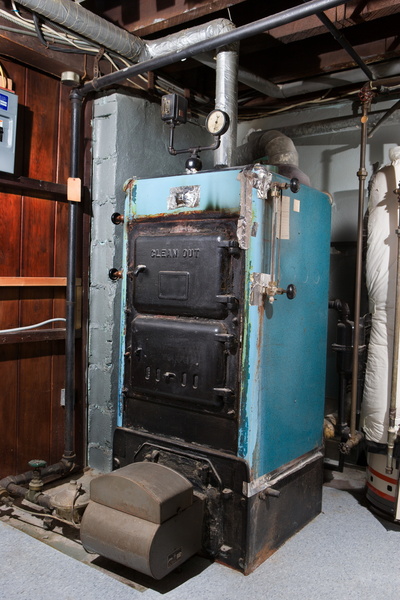
Ignition or flame sensor maintenance and component swap usually falls between $150 up to $350, representing one of the most frequent repairs. Blower motor or capacitor replacement generally falls between $300–$600 owing to installation complexity. Short cycling diagnosis and correction typically costs $200 to $500 depending on required adjustments.
Ignition/Flame Sensor Fixes
Such services involve cleaning or component replacement ensuring consistent burner operation.
Blower Motor or Capacitor
Worn components demand careful installation to restore proper airflow and overall performance.
Short Cycling Diagnosis and Fix
Detailed inspection resolves air movement issues and sensor problems ensuring long-term solution.
Factors That Influence Pricing
Further variables include emergency after-hours premiums, which add $100 to $200, along with component stock and warranty coverage may impact total expense. Professionals provide detailed, upfront quotes without unexpected additions.
After-Hours Emergency Fees
Emergency situations carry fair surcharges ensuring quick arrival.
Parts Availability and Warranty Coverage
Quickly sourced parts with available coverage often reduce overall expense.
Value of Professional Service Over DIY
Certified technician work ensures exactness beyond what homeowners can achieve, eliminating callbacks while prolonging system life. Clear pricing information empowers homeowners to make informed decisions. Request a no-commitment pricing review for accurate details specific to your situation. For full HVAC solutions, explore our HVAC installation services.
When Should You Call a Professional for Furnace Repair Near Me?
Even though basic troubleshooting is possible for elementary diagnostics, specific indicators require immediate professional furnace repair near me to protect safety and prevent escalating damage.
Critical Red Flags Requiring Immediate Help
Gas odors or suspected carbon monoxide require instant power-off and certified technician response to eliminate health risks. Repeated breaker trips signal electrical faults or faults requiring specialized diagnostic equipment.
Gas Odors or Carbon Monoxide Concerns
Such signs point to critical dangers requiring immediate professional help as soon as possible.
Repeated Breaker Trips or Electrical Issues
Circuit faults can cause fire risks and cause system damage if left unaddressed.
Limits of DIY vs Professional Expertise
Work involving gas components carries significant risks when done without professional certification. NATE-certified technicians comply with industry safety requirements, offer exact evaluations, while maintaining warranty coverage plus long-term maintenance suggestions.
Risks Involved in Gas System Work
Improper handling of gas components introduces significant dangers.
Advanced Diagnostics Tools
Technician instrumentation enables precise identification of intricate malfunctions.
Advantages of NATE-Certified Technicians
Instant Air Solutions provides NATE-certified professional knowledge plus a satisfaction guarantee for each repair, delivering peace of mind about safety risks with cost-effective solutions from reliable, efficient service. Call today for dependable assistance. Meet our experts on the about page.
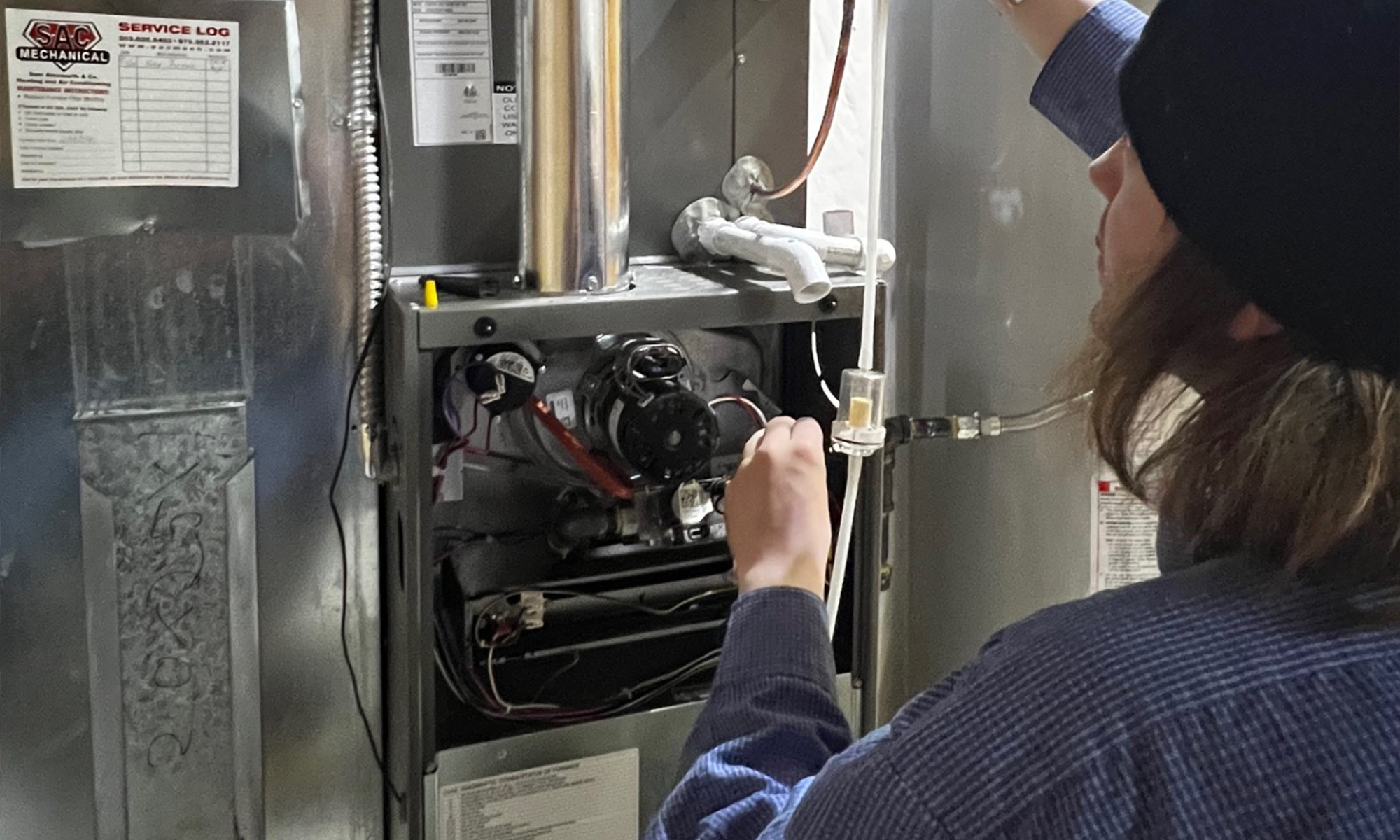
Signs Your Furnace Needs Repair or Replacement
Continuing or intensifying indicators frequently point to the need for professional evaluation or consideration of full system replacement apart from basic common furnace problems.
Frequent Breakdowns and System Age
Frequent breakdowns in units past 15 years of age or requiring multiple service calls per season suggest aging components reaching the end of useful lifespan. Rising energy bills reflect declining efficiency from accumulated wear and duct leakage.
Systems Over 15 Years Old
Aging systems shows reduced performance and consistent operation over time.
Multiple Service Calls Annually
Frequent service calls indicate deeper problems demanding comprehensive resolution.
Rising Energy Bills as a Warning Sign
Rising heating bills point to reduced system performance from neglected maintenance and part wear.
Uneven Heating Throughout the Home
Uneven heating throughout living spaces suggests duct system concerns, failing blowers, or distribution issues. Prompt expert evaluation avoids greater costs. Understanding these warnings preserves your heating system value. Local experts offer thorough evaluations to guide the best course of action. To explore additional heating services, see our residential HVAC page.
Prevention Tips to Avoid Future Furnace Issues
Consistent preventive care greatly decreases the probability of encountering common furnace problems in Southern California homes.
Essential Homeowner Maintenance Routines
Essential routines consist of regular filter changes and annual technician maintenance including burner cleaning, part lubrication, and safety inspection. These measures keep maximum performance and detect developing issues early.
Monthly Filter Changes
Regular filter replacement keeps air movement clean and protects internal components.
Annual Professional Tune-Ups
Professional evaluations identify and correct potential problems before they cause failures.
Daily Habits That Extend System Life
Daily habits such as keeping supply and return vents unobstructed plus regular thermostat checks greatly extend equipment life. Basic daily care ensure long-term comfort and performance. Our team stands ready to help with continued servicing. Explore our maintenance services for comprehensive care.
Common Concerns About Furnace Repair Near Me and How We Solve Them
Numerous residents regularly have legitimate worries concerning expenses, safety, service interruptions, and repair quality during searches for furnace repair near me.
Addressing Cost Transparency Fears
Cost transparency concerns disappear through comprehensive initial pricing plus a promise of no surprise charges. This practice builds trust beginning with first communication.
Upfront Quotes and No Hidden Fees
Clear pricing eliminates financial surprises while enabling confident choices.
Safety and Gas Work Concerns
Safety concerns related to gas handling are fully addressed with licensed expert technicians who follow strict industry protocols and safety standards.
Licensed, Certified Technicians
Professional certification guarantees compliant and safe service.
Downtime and Convenience Worries
Downtime anxieties reduce with fast response times with same-day service in most cases. Quality assurance comes from proven expertise and satisfaction guarantees. Such valid worries are resolved successfully when choosing the correct team. Call today for reassurance and dependable service. For more information, check our contact page.
Areas We Serve Throughout Los Angeles, San Fernando Valley, Pasadena, Orange County California
Local furnace repair near me professionals offer service throughout extensive Southern California communities including Los Angeles, Glendale, Pasadena, Long Beach, Santa Clarita, Burbank, Torrance, Lancaster, Palmdale, Pomona, Downey, Inglewood, West Covina, Norwalk, Hawthorne, Whittier, Alhambra, Lakewood, Bellflower, Baldwin Park, Compton, Redondo Beach, Gardena, Monterey Park, Rosemead, Arcadia, Pico Rivera, Paramount, Diamond Bar, Culver City, Azusa, La Mirada, Temple City, Covina, La Puente, San Gabriel, Glendora, West Hollywood, Montebello, San Dimas, Cerritos, Monrovia, Manhattan Beach, Lynwood, Bell Gardens, South Pasadena, Huntington Park, La Verne, Lawndale, Walnut, Claremont, Artesia, Lomita, Signal Hill, South El Monte, El Segundo, Hermosa Beach, Duarte, San Fernando, Maywood, Sierra Madre, Bell, Avalon, Industry, Hidden Hills, Bradbury, Rolling Hills, Rolling Hills Estates, Vernon, Irwindale, Malibu, Beverly Hills, Westlake Village, La Cañada Flintridge, Agoura Hills, as well as Calabasas.
Favorable location enables quick response across the area. Instant Air Solutions, 412 W Dryden St APT 6, Glendale, CA 91202, (747) 307-6363.
No matter where you are located, prompt professional service continues to be reachable. Contact us today for reliable assistance.
Frequently Asked Questions About Furnace Repair Near Me
Why is my furnace blowing cold air?
Blowing cold air commonly stems from restricted filtration, thermostat issues, or ignition system failure. Begin with filter replacement to reestablish airflow. Ongoing cases might need technician cleaning of sensors and igniters. It eliminates hazards and quickly returns warmth. Learn more about system care on our HVAC maintenance page.
How much does furnace repair cost near me?
average pricing in furnace repair near me across Southern California usually cost between $130 and $600 depending on the issue. Simple sensor cleaning run $150–$350, whereas blower repairs average $300–$600. Urgent repairs often include add-ons. Professionals provide transparent quotes to assist with planning. Visit our contact page to receive custom pricing.
What causes furnace short cycling?
Short cycling results from overheating from dirty filters, obstructed registers, malfunctioning sensors, or mismatched system capacity. It results in inefficiency plus equipment stress. Start by changing the filter plus clearing vents. Technician assessment resolves underlying causes. Discover prevention strategies on our maintenance services.
When should I repair or replace my furnace?
Repair suits newer systems with isolated issues, while replacement becomes preferable when systems exceed 15 years. Expert assessment weighs repair vs replacement value for cost-effectiveness and safety. Look into replacement via our HVAC installation page.
How long does furnace repair take?
Typical repairs take 1–3 hours according to the repair needed. Sensor cleaning often takes under an hour, while blower motor replacement requires 2–3 hours - A C Service Monterey Park. Rapid response is available in most urgent cases. For immediate help, check our contact page
Is furnace repair expensive in Southern California?
Compared to replacement costs, most repairs remain affordable when caught early. Certified work delivers long-term savings with correct identification and future problem avoidance. Discover comprehensive care through our residential services page.
Can I DIY furnace repair safely?
Basic tasks including filter swaps remain safe for residents. But gas, electrical, or sensor service carries significant risks. Certified professionals guarantee protection. For certified service, check our about page.
Why won't my furnace turn on?
Power interruptions, thermostat faults, burner issues, plus tripped safety controls frequently cause failure to start. Check the breaker, thermostat, and filter. Technicians properly resolve fuel and electrical problems. Contact us via our contact page for assistance.
How often should I change my furnace filter?
Replace air filters monthly to quarterly, with greater frequency in dusty environments. Clean filters keep air movement optimal, efficient operation, and avoid many typical furnace concerns. Explore best practices on our maintenance services page.
What are signs my furnace needs replacement?
Important warnings cover multiple annual repairs, rising energy bills, uneven heating, equipment over 15 years old, and persistent noises. Technician review guides the choice between fixing or replacing delivers optimal results. Learn about upgrades through our HVAC installation page.
| Benefit | Instant Air Solutions | Typical Competitor |
|---|---|---|
| Response Time | Quick response | Several days |
| Pricing Transparency | No hidden fees | Variable pricing |
| Customer Satisfaction | Full Guarantee | Inconsistent |
| Technician Certification | NATE-certified | Varies |
A resident of Pasadena shared: "Our furnace stopped working when temperatures dropped. The team arrived quickly, identified the problem, restoring heat in hours. Outstanding service—great value!"
A resident in Orange County stated: "We experienced persistent short cycling plus increasing energy costs. The technician explained everything clearly, corrected it thoroughly, and efficiency restored. The guarantee gives us total peace of mind."
Another satisfied customer in Glendale mentioned: "Following several unsuccessful tries from different providers, experts resolved our starting problem in one visit. Reliable, transparent, and expert—great decision."
We Can Help! Contact Us Today.
Should you need professional furnace repair near me in Southern California, Instant Air Solutions is your trusted local partner. Our NATE-certified experts focus on furnace repair near me and deliver fast, reliable results every time. Whether you're a homeowner facing sudden no heat, a property manager maintaining multiple units, or operating a business with heating needs, our team has assisted diverse clients using expertise and attention. Conveniently located to serve Los Angeles, San Fernando Valley, Pasadena, Orange County, and nearby cities quickly. Receive a no-cost consultation quote. Drawing on years of expertise and a satisfaction guarantee, we keep your home comfortable. Let us restore your home's reliable warmth with full trust!
Instant Air Solutions, 412 W Dryden St APT 6, Glendale, CA 91202, (747) 307-6363.
In case of abrupt system failure, anxiety about a chilly house potential safety risks, combined with surprise costs produces legitimate concern. Professional service instantly removes this stress, restoring trust and security. From a practical standpoint, professional help provides substantial savings via precise fixes, avoids expensive total replacement, maintains energy efficiency, and ensures proper safety compliance. Opting for professional assistance turns worry into enduring comfort and dependable, comfortable warmth for your family during cold weather.
Instant Air Solutions
Address: 412 W Dryden St Apt 6 Glendale, CA 91202Phone: (747) 307-6363
Email: [email protected]
Instant Air Solutions
Furnace Replacement Monterey Park, CA
Air Conditioning Installation Near Me Monterey Park, CA
Air Conditioning Replacement Monterey Park, CA
Commercial Exhaust System Installation Monterey Park, CA
Home Ac Repair Monterey Park, CA
Furnace Repair Service Monterey Park, CA
Central Air Installation Monterey Park, CA
A C Service Monterey Park, CA
Air Conditioning Installation Monterey Park, CA
Ductless Air Conditioner Monterey Park, CA
Heating And Air Conditioning Repair Monterey Park, CA
Heat Pump Repair Monterey Park, CA
Central Air Conditioning Systems Monterey Park, CA
Ac Repairs Monterey Park, CA
Furnace Repair Service Monterey Park, CA
Furnace Repair Service Monterey Park, CA
Air Condition Repair Monterey Park, CA
A C Repair Monterey Park, CA
Air Conditioning Replacement Monterey Park, CA
Ac Repairs Monterey Park, CA
Heating And Air Conditioning Repair Monterey Park, CA
Hvac Companies Monterey Park, CA
Air Conditioning Installation Monterey Park, CA
Heating And Cooling Companies Monterey Park, CA
Air Conditioning Installation Near Me Monterey Park, CA
Hvac Companies Monterey Park, CA
A C Service Monterey Park, CA
Central Air Installation Monterey Park, CA
Ac Installation Monterey Park, CA
Home Ac Repair Monterey Park, CA
Central Air Installation Monterey Park, CA
Heat Pump Repair Monterey Park, CA
Ductless Air Conditioner Monterey Park, CA
Close To Seo Near Me Monterey Park, CA
Companies Near Me Seo Near Me Monterey Park, CA
Instant Air Solutions
Heating And Cooling Companies Monterey Park, CA
Ac Installation Monterey Park, CA

Table of Contents
- – Instant Air Solutions
- – What Are the Most Common Furnace Problems Home...
- – No Heat or Blowing Cold Air
- – Primary Causes
- – Immediate Homeowner Checks
- – When Professional Intervention Is Necessary
- – Furnace Short Cycling Explained
- – Common Triggers
- – Impact on System Life and Bills
- – Diagnostic Steps
- – Unusual Noises from Your Furnace
- – Why Is My Furnace Short Cycling and How to Sto...
- – Root Causes in Detail
- – Dirty Flame Sensor and Limit Switch Failures
- – Oversized Unit or Improper Thermostat Placem...
- – Airflow Blockages
- – Step-by-Step Troubleshooting
- – Homeowner-Safe Actions
- – Pro-Level Diagnosis
- – Long-Term Prevention Strategies
- – How Much Does Furnace Repair Near Me Typically...
- – Breakdown of Common Repair Costs
- – Ignition/Flame Sensor Fixes
- – Blower Motor or Capacitor
- – Short Cycling Diagnosis and Fix
- – Factors That Influence Pricing
- – After-Hours Emergency Fees
- – Parts Availability and Warranty Coverage
- – Value of Professional Service Over DIY
- – When Should You Call a Professional for Furnac...
- – Critical Red Flags Requiring Immediate Help
- – Gas Odors or Carbon Monoxide Concerns
- – Repeated Breaker Trips or Electrical Issues
- – Limits of DIY vs Professional Expertise
- – Risks Involved in Gas System Work
- – Advanced Diagnostics Tools
- – Advantages of NATE-Certified Technicians
- – Signs Your Furnace Needs Repair or Replacement
- – Frequent Breakdowns and System Age
- – Systems Over 15 Years Old
- – Multiple Service Calls Annually
- – Rising Energy Bills as a Warning Sign
- – Uneven Heating Throughout the Home
- – Prevention Tips to Avoid Future Furnace Issues
- – Essential Homeowner Maintenance Routines
- – Monthly Filter Changes
- – Annual Professional Tune-Ups
- – Daily Habits That Extend System Life
- – Common Concerns About Furnace Repair Near Me a...
- – Addressing Cost Transparency Fears
- – Upfront Quotes and No Hidden Fees
- – Safety and Gas Work Concerns
- – Licensed, Certified Technicians
- – Downtime and Convenience Worries
- – Areas We Serve Throughout Los Angeles, San Fer...
- – Frequently Asked Questions About Furnace Repai...
- – We Can Help! Contact Us Today.
- – Instant Air Solutions
Latest Posts

West Covina B2b Internet Marketing Agency

Local Business Seo Services Orange

San Bernardino County Local Seo Services Company
More
Latest Posts
West Covina B2b Internet Marketing Agency
Local Business Seo Services Orange
San Bernardino County Local Seo Services Company