All Categories
Featured
Table of Contents
- – Home Care Agency Banning, CA
- – Innovative Senior Care
- – In Home Care Banning, CA
- – Home Care Agency Banning, CA
- – Home Companion Banning, CA
- – Home Care For Elderly Banning, CA
- – Home Care Agency Banning, CA
- – Home Health Aides Banning, CA
- – Home Health Agency Banning, CA
- – Care For Elderly Banning, CA
- – 24 Hour Senior Care Banning, CA
- – Live In Care Banning, CA
- – Services For The Elderly Banning, CA
- – 24 Hour Senior Care Banning, CA
- – In Home Care Banning, CA
- – Innovative Senior Care
Home Care Agency Banning, CA
Innovative Senior Care
77564 Country Club Dr Ste 228/230 Palm Desert, CA 92211(760) 469-4999
Innovative Senior Care
Typically, 2 scheduled caregivers are designated for the week, making sure undisturbed care and supplying alleviation to the primary caregiver when required. Live-in care deals a number of benefits for both the client and the caregiver.
Another benefit is the immediate aid and satisfaction that live-in treatment offers. With a caregiver existing in all times, clients can feel reassured understanding that assistance is readily offered whenever required. This can be particularly crucial for people with mobility problems or those who require frequent aid throughout the day and night.
The consistent visibility of a caregiver in the customer's home may require adjustments and concessions in terms of privacy and individual space. Additionally, the expense of live-in care can be higher compared to various other treatment options, as caregivers bill a flat price daily. It's critical to weigh these factors and figure out if live-in treatment aligns with the demands and preferences of the individual and their family.
When it pertains to giving thorough treatment for senior people, 24-hour home care is a popular choice. This strategy includes having two caregivers who rotate shifts to make certain day-and-night support and supervision. Allow's check out the caretaker turnings and changes associated with 24-hour home care, in addition to the cost comparison with live-in treatment.
In Home Care Banning, CA
These caregivers take transforms providing care in shifts of 8 to 12 hours, depending upon the particular plan. This permits constant caregiver visibility throughout the day and evening, making sure guidance and care whatsoever times. To ensure maximum performance, some 24-hour home care solutions supply 3 changes of 8 hours each, enabling more constant rotations.
The turning of caregivers assists keep client support and guarantees that the caregivers themselves remain alert and focused. When taking into consideration the cost of care, it is necessary to contrast 24-hour home care with live-in care. 24-hour home treatment is normally billed at a per hour rate, as it includes two caretakers working multiple changes throughout the night and day.
Live-in care is normally billed at a level rate daily, which can be a lot more budget-friendly compared to 24-hour home treatment. It is important to consider that live-in treatment might have limitations in terms of the number of days per week that a caretaker is existing, as well as the resting and damage arrangements.
Home Care Agency Banning, CA
It is a good idea to speak with care suppliers to get precise cost quotes and information pertaining to the specific solutions included in both 24-hour home care and live-in care. In summary, 24-hour home care includes caretaker turnings and changes to make certain continual guidance and assistance for elderly individuals. While it may be a much more expensive alternative compared to live-in treatment, it supplies consistent caretaker existence throughout the day and night.
When it comes to at home treatment, live-in treatment deals several benefits that make it an eye-catching alternative for people in need of continuous assistance. Let's check out two essential advantages of live-in care: consistency and relationship building, in addition to immediate aid and assurance. Among the key benefits of live-in care is the consistency it offers.
Home Companion Banning, CA
By having the very same caretaker living in the home, senior citizens can develop depend on and create a bond with time, advertising a feeling of friendship and convenience. Constant care permits the caregiver to end up being acquainted with the senior's routines, choices, and unique requirements. This enables the caretaker to offer personalized treatment tailored to the person's certain demands.
Having a live-in caregiver present around the clock gives immediate aid and comfort for both the senior and their household members. Knowing that a skilled caregiver is always available to offer support and aid can ease anxiety and minimize tension, especially as elders age and face health and wellness constraints.
Home Care For Elderly Banning, CA
This fast reaction time can be important in managing and dealing with health and wellness issues without delay, minimizing prospective problems. Loneliness is a typical trouble for older adults and can lead to different psychological health and wellness concerns. With a live-in caretaker, seniors have consistent friendship, lowering sensations of isolation and promoting emotional wellness.
Live-in care supplies the advantage of consistency and relationship structure, permitting personalized care and the facility of significant connections. In addition, the presence of a live-in caregiver supplies instant help and comfort, minimizing stress and anxiety and advertising a sense of well-being for both the elderly and their loved ones.
This degree of treatment guarantees constant supervision and support, as well as flexibility in care alternatives. One of the significant benefits of 24-hour home treatment is the continual supervision and support it supplies.
Home Care Agency Banning, CA
Continual guidance aids address safety concerns and decreases the threats linked with falls, accidents, or emergencies. Seniors can really feel much more secure understanding that there is constantly someone available to assist them. In addition, the visibility of a caregiver can aid alleviate feelings of loneliness and anxiousness that usually influence older grownups, promoting a feeling of friendship and total health.
Caretakers can give a series of services, including individual care, drug management, dish preparation, light housekeeping, and support with movement. Whether an elderly needs aid with bathing and dressing, pointers to take medicines, or friendship throughout the night and day, 24-hour home care can be tailored to meet specific demands.
Home Health Aides Banning, CA
When thinking about 24-hour in-home care alternatives, it is very important to understand the price effects and aspects that can affect the pricing. This area will certainly explore the differences in between hourly prices and flat prices and talk about the various aspects that can affect the expense of 24-hour treatment. The price structure for 24-hour at home treatment can vary relying on the service provider and the sort of treatment selected.
This setup entails reserving one caregiver daily for a 24-hour duration, with the caretaker supplied an 8-hour sleeping break. The price for live-in care is typically roughly half the expense of 24-hour treatment. On the other hand, 24-hour home care is billed at a per hour rate. This alternative entails two caregivers being booked daily, each working 12-hour shifts.
Unlike live-in care, there is no resting break given to caretakers throughout a 12-hour browse through. Because 24-hour home treatment is billed based upon the variety of hours of treatment given, it normally costs more than live-in treatment. A number of elements can affect the expense of 24-hour at home care. These elements consist of:: The cost of treatment can differ based upon the geographical area of the senior and the cost of living in that area.
If more specialized treatment or medical support is needed, the cost may be higher.: The level of experience and qualifications of the caretakers can affect the price. Extremely proficient and seasoned caretakers may have higher per hour rates compared to those with much less experience.: Added solutions such as transport, medication monitoring, or assistance with activities of daily living may incur added costs.
Home Health Agency Banning, CA
Providers may offer various rates plans or alternatives to suit certain treatment demands and spending plans (Home Care Agencies Banning). Comprehending the price factors to consider related to 24-hour at home care can aid families make notified decisions regarding the type and duration of treatment that ideal fits their demands and budget plan. While 24-hour treatment offers continuous guidance and support, it's important to examine the monetary feasibility and check out alternative care options, such as assisted living, which might be extra economical for some households
24-hour In-Home Treatment is the peak of elderly care because it is. With this design, a certified caretaker copes with the client and works as a personal assistant for all things. The caretaker stores, prepare dishes, and consumes with the customer. All the services on our solution checklist are readily available to the senior on this program, including tasks of daily living, transport, and home treatment assistance in the hospice environment.
Care For Elderly Banning, CA
The Seattle minimum hourly wage is close to $20/hour, the Washington minimum wage is more detailed to $17/hour, and the Federal minimum wage is $7.25. State regulations also influence the pay rates. Washington State has a "live" regulation that exempts stay in shifts from the state minimum wage because there is a resting element, however Seattle does not.
The expense for 24-hour In-Home Care in Seattle varies from $650-$850 each day. With live-in treatment, the caretaker lives, eats, and sleeps right in the home. The fact that there is a sleeping part brings down the expense per hour for stay in treatment. Generally of thumb, Several senior citizens find it worth every cent to stay home.
Posted on February 19, 2024 Now even more than ever previously, individuals are selecting to age in position, staying in their homes in their later years. This is a wonderful option to assisted living, permitting people to continue to be in acquainted environments, but it does call for some planning to be a risk-free choice.
24 Hour Senior Care Banning, CA
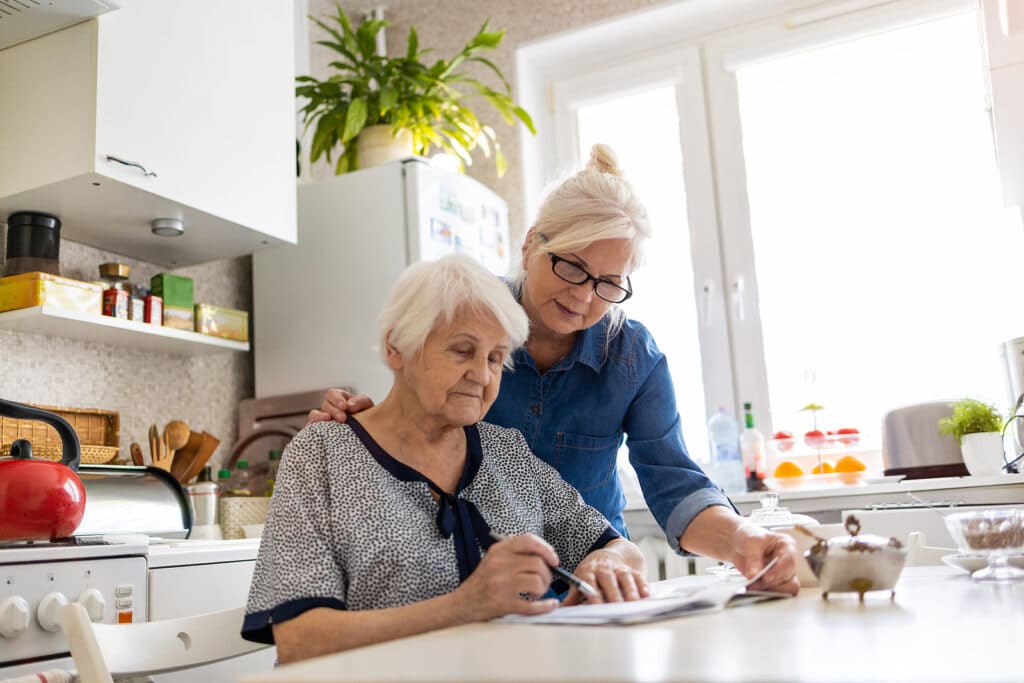
If there comes a time when an older person have to have care around the clock, however, it can obtain a little bit confusing. What is the distinction between the 2 alternatives?
Each caregiver remains for a specific number of days, 24 hours a day, and they rest at the residence. A live-in caretaker has to have exclusive resting quarters and must be provided a break in which to rest, as well as a break throughout daytime hours.
Live In Care Banning, CA
Nevertheless, if you need protection throughout the scheduled everyday break, which is generally 8 hours long, you will certainly need to pay a person to cover it or do it on your own. Or else, your liked one will certainly have a eight-hour space in coverage, throughout which she or he will certainly be laid off. What's even more, several individuals find it bothersome to supply living quarters for the caregivers, since they merely do not have the space.
In that case, live-in-home care may not be the right choice. Though it seems the exact same, 24/7 home care functions in different ways than live-in home care. With this option, protection is offered all the time, with a caregiver readily available at all times. This is commonly an excellent option for individuals with mental deterioration, that need 24-hour-a-day guidance to maintain them secure and monitor them at night.
We usually appoint four caretakers to a 24/7 customer. Due to the fact that of the shorter changes, the caregivers do not need rest breaks, and sleeping quarters need not be offered. The routine of caretakers is versatile, and the family members can choose just how ideal to structure the shifts. 24-hour home treatment indicates a caregiver will certainly be with the customer in all times of day or night, and that caregiver will generally be wide awake and sharp.
Knowing somebody exists to handle any type of emergency situations that might arise, or just exist if the customer requires assistance utilizing the restroom, benefits the member of the family' peace of mind. The drawback of 24/7 care is that it often tends to be considerably a lot more costly than live-in treatment. Additionally, there are slightly much more caretakers entailed in 24/7 care, which can be disturbing to some older individuals, particularly those with mental deterioration and those for whom knowledge is a concern.
Services For The Elderly Banning, CA
Uploaded on February 19, 2024 Currently more than ever previously, people are picking to age in position, staying in their homes in their later years. This is a wonderful alternative to assisted living, allowing people to continue to be in familiar environments, but it does call for some preparation to be a risk-free choice.
If there comes a time when an older person need to have treatment around the clock, however, it can get a little bit complicated. Does your enjoyed one demand live-in home care or 24/7 home care? What is the distinction between both alternatives? They might seem like the exact same thing, but in reality, there are some meaningful distinctions.
24 Hour Senior Care Banning, CA

Normally, 2 to 3 caregivers alternating shifts. Each caretaker stays for a particular variety of days, 24 hours a day, and they sleep at your home. A live-in caretaker must have exclusive resting quarters and should be given a break in which to rest, in addition to a break throughout daytime hours.
However, if you need insurance coverage throughout the arranged day-to-day break, which is typically 8 hours long, you will have to pay somebody to cover it or do it on your own. Or else, your liked one will certainly have a eight-hour void in insurance coverage, throughout which she or he will be left alone. What's more, lots of people find it troublesome to provide living quarters for the caretakers, because they just do not have the room.
In that situation, live-in-home treatment may not be the right option. It seems the same, 24/7 home treatment functions in different ways than live-in home care.
In Home Care Banning, CA
We normally assign 4 caretakers to a 24/7 client. Due to the fact that of the shorter changes, the caretakers do not require sleep breaks, and resting quarters need not be given. The routine of caretakers is adaptable, and the family members can make a decision how ideal to structure the shifts. 24-hour home care implies a caretaker will certainly be with the client in any way times of day or evening, and that caretaker will commonly be conscious and sharp.
Innovative Senior Care
Address: 77564 Country Club Dr Ste 228/230 Palm Desert, CA 92211Phone: (760) 469-4999
Email: [email protected]
Innovative Senior Care
Understanding a person exists to take care of any kind of emergency situations that might emerge, or merely exist if the customer requires aid utilizing the restroom, benefits the relative' tranquility of mind. The disadvantage of 24/7 care is that it tends to be substantially much more pricey than live-in care. Furthermore, there are a little more caretakers associated with 24/7 care, which can be upsetting to some older individuals, especially those with mental deterioration and those for whom knowledge is a priority.
Home Healthcare Banning, CA24 Hour Senior Care Banning, CA
Senior Caregiver Banning, CA
Caregiver Agency Banning, CA
In Home Care Banning, CA
Home Health Care Service Banning, CA
Senior Caregiver Banning, CA
Care Companies Banning, CA
Live-In Caregiver Banning, CA
Homecare Services Banning, CA
Care For Elderly Banning, CA
Homecare Services Banning, CA
Services For The Elderly Banning, CA
Homecare Services Banning, CA
Homecare Services Banning, CA
Home Health Care Business Banning, CA
Home Health Aides Banning, CA
Home Care Agencies Banning, CA
Domiciliary Care Banning, CA
Live-In Caregiver Banning, CA
Caregiver Services Banning, CA
Caregiver Agency Banning, CA
Home Health Agency Banning, CA
Home Health Agencies Banning, CA
Home Health Agencies Banning, CA
Home Care For Elderly Banning, CA
Services For The Elderly Banning, CA
Home Care For Elderly Banning, CA
Home Care Agency Banning, CA
Family Caregiver Banning, CA
Services For The Elderly Banning, CA
Live-In Caregiver Banning, CA
Live In Care Banning, CA
Caregiver Services Banning, CA
Home Healthcare Banning, CA
Home Healthcare Banning, CA
Domiciliary Care Banning, CA
Home Care For Elderly Banning, CA
Home Health Aides Banning, CA
Senior Caregiver Banning, CA
Family Caregiver Banning, CA
Live In Care Banning, CA
Elder Care Banning, CA
Care Providers Banning, CA
Family Caregiver Banning, CA
Aged Care Services Banning, CA
In Home Health Care Banning, CA
Senior Caregiver Banning, CA
Finding A Seo Plans Banning, CA
Around Here Seo Companies Banning, CA
Innovative Senior Care

Table of Contents
- – Home Care Agency Banning, CA
- – Innovative Senior Care
- – In Home Care Banning, CA
- – Home Care Agency Banning, CA
- – Home Companion Banning, CA
- – Home Care For Elderly Banning, CA
- – Home Care Agency Banning, CA
- – Home Health Aides Banning, CA
- – Home Health Agency Banning, CA
- – Care For Elderly Banning, CA
- – 24 Hour Senior Care Banning, CA
- – Live In Care Banning, CA
- – Services For The Elderly Banning, CA
- – 24 Hour Senior Care Banning, CA
- – In Home Care Banning, CA
- – Innovative Senior Care
Latest Posts
West Covina B2b Internet Marketing Agency
Local Business Seo Services Orange
San Bernardino County Local Seo Services Company
More
Latest Posts
West Covina B2b Internet Marketing Agency
Local Business Seo Services Orange
San Bernardino County Local Seo Services Company